
Pearl Powder in Cosmetics: A Comprehensive Guide
Composition of Pearl Powder
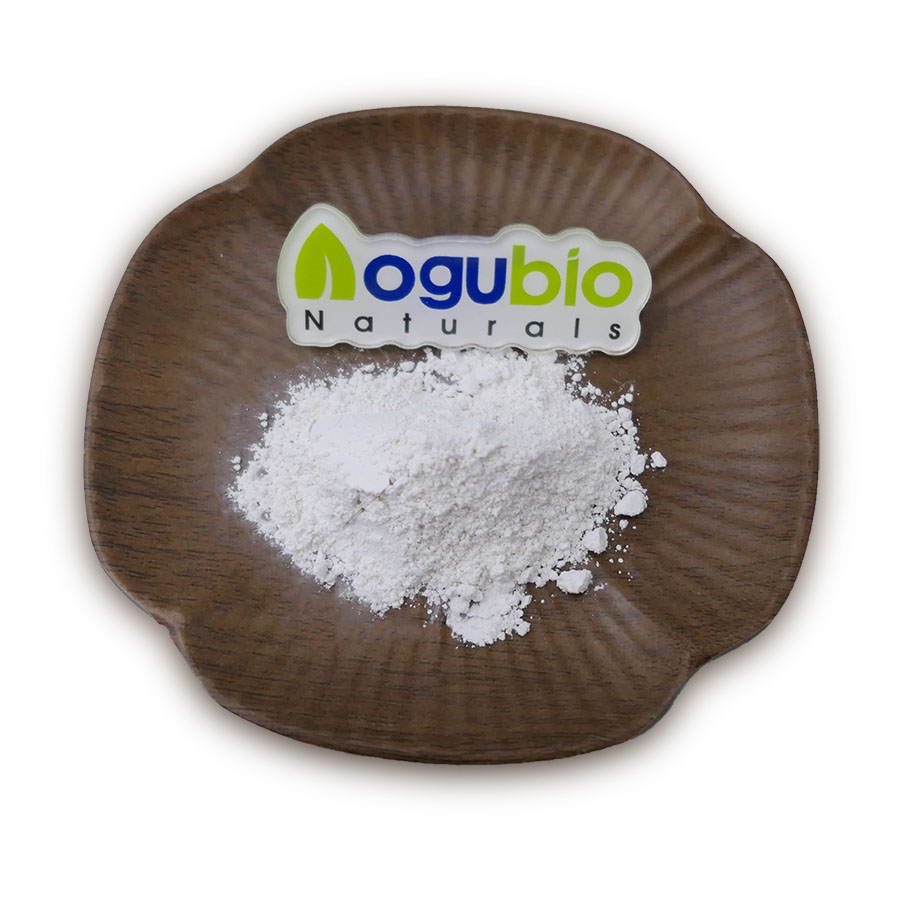
Pearl powder is a complex mixture with a diverse range of components. The main constituents include:
- Protein and Amino Acids: Pearl powder contains a significant amount of protein, which upon hydrolysis yields 18 different amino acids, 7 of which are essential amino acids for the human body. These amino acids play crucial roles in various biological processes. For example, glycine is known to promote skin collagen cell regeneration, while serine can enhance the body's immune function. A study published in a relevant journal indicates that these amino acids can penetrate the skin, nourishing and rejuvenating it at a cellular level.
- Calcium Carbonate: Present in a crystalline form, calcium carbonate is a major component of pearl powder. It not only provides a source of calcium but also contributes to the powder's physical properties. In cosmetics, it can help with skin texture improvement and has been associated with promoting skin regeneration and regulating sebum production, as reported in some research on pearl powder's effects on the skin.
- Trace Elements: Pearl powder is rich in over 20 trace elements such as magnesium, iron, zinc, and selenium. These elements are essential for maintaining healthy skin. Zinc, for instance, has anti - inflammatory properties and can be beneficial for acne - prone skin. Selenium acts as an antioxidant, protecting the skin from oxidative damage caused by free radicals.
How is Pearl Powder Made?
There are two main methods for producing pearl powder:
- Mechanical Grinding: This is a physical method where pearls are ground into fine powder using techniques like ball milling or airflow pulverization. The advantage of this method is that it preserves all the natural components of the pearl without adding any chemicals. However, it can be challenging to achieve an extremely fine particle size uniformly.
- Chemical or Enzymatic Treatment:In this method, enzymes or acids are used to break down the pearl. For example, using Lactic Acid to treat pearls can result in water - soluble pearl powder. This form of pearl powder has the advantage of better solubility, which may enhance the absorption of its nutrients, especially for internal use. But there is a concern that the chemical or enzymatic treatment may alter or reduce some of the natural components of the pearl.
Benefits of Pearl Powder in Cosmetics
- Skin - Whitening and Anti - Pigmentation
Pearl powder has been long - known for its skin - whitening properties. Research has shown that it can inhibit the activity of tyrosinase, an enzyme that plays a key role in melanin production. By reducing melanin synthesis, pearl powder can help lighten dark spots, freckles, and even out skin tone. A study published in [Journal Name] demonstrated that pearl powder extracts could effectively decrease the production of melanin in melanocyte cells, providing scientific evidence for its traditional use as a skin - Whitening agent.
- Antioxidant and Anti - Aging Effects
The rich composition of amino acids, trace elements, and other bioactive compounds in pearl powder endows it with strong antioxidant properties. Antioxidants in pearl powder, such as superoxide dismutase (SOD) - like substances, can neutralize free radicals in the skin. Free radicals are highly reactive molecules that can cause oxidative stress, leading to premature aging, wrinkles, and loss of skin elasticity. By reducing oxidative stress, pearl powder helps to maintain the youthful appearance of the skin. A placebo - controlled clinical trial found that healthy adults who took 3 grams of protein - rich pearl powder daily for 8 weeks experienced significant improvements in their antioxidant levels, with increased production of natural antioxidants like glutathione and SOD.
- Moisturizing and Skin Barrier Repair
Pearl powder can enhance the skin's moisture - retaining ability. It forms a thin, breathable film on the skin surface, preventing transepidermal water loss. Additionally, the amino acids and minerals in pearl powder can penetrate the skin, promoting the synthesis of natural moisturizing factors (NMFs) and strengthening the skin's barrier function. This is beneficial for dry and sensitive skin, as it helps to keep the skin hydrated and protected from external irritants.
- Anti - Inflammatory and Soothing Properties
For those with sensitive or inflamed skin, pearl powder can be a great addition to their skincare routine. It has anti - inflammatory properties that can help reduce skin redness, swelling, and irritation. Some studies have indicated that pearl powder can inhibit the release of pro - inflammatory cytokines in the skin, providing relief for conditions such as acne, rosacea, and eczema.
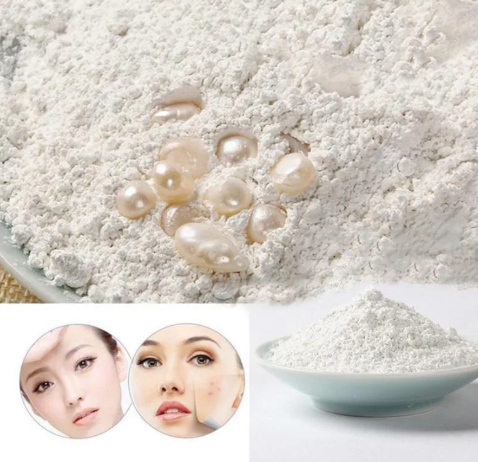
How to Use Pearl Powder in Skincare
- Facial Masks
Pearl powder can be used to make homemade facial masks. Mixing pearl powder with ingredients like honey, yogurt, or aloe vera gel can create a nourishing and rejuvenating mask. For example, a mask made with pearl powder and honey can moisturize the skin, while the antibacterial properties of honey work in tandem with the anti - inflammatory effects of pearl powder. Apply the mask evenly on the face, leave it on for 15 - 20 minutes, and then rinse off with lukewarm water.
- Facial Cleansers
Adding a small amount of pearl powder to your regular facial cleanser can enhance its exfoliating and cleansing properties. The fine particles of pearl powder can gently remove dead skin cells, unclog pores, and leave the skin feeling smoother and brighter. However, it's important to use it in moderation to avoid over - exfoliation.
- Toners and Serums
Some high - end skincare products incorporate pearl powder extracts in their toners and serums. These liquid - based formulations allow for better penetration of the pearl powder's active ingredients into the skin. They can be applied after cleansing and toning, gently patted onto the skin to promote absorption.
Market Trends of Pearl Powder in Cosmetics
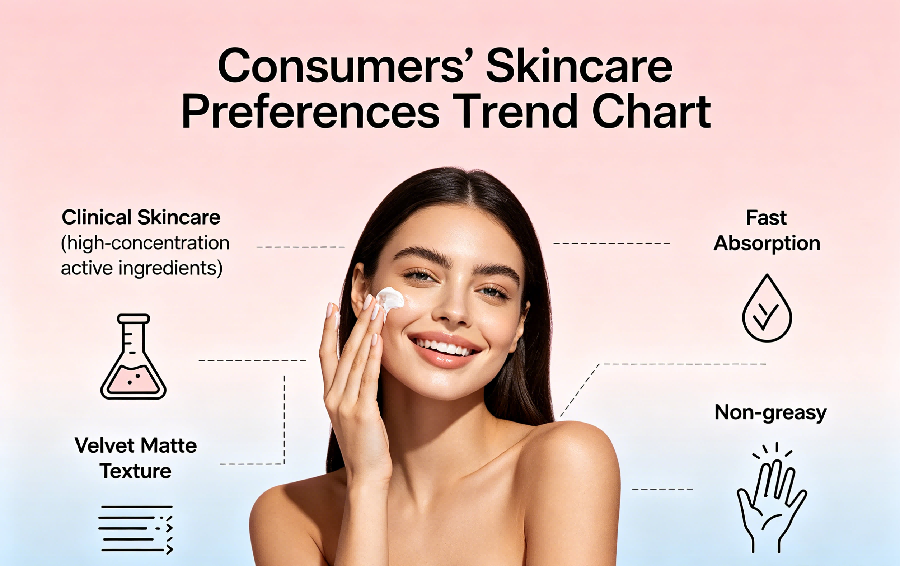
In recent years, the demand for natural and sustainable beauty products has been on the rise, and pearl powder has found itself in the spotlight. Consumers are increasingly interested in products that offer both effective results and are derived from natural sources. Pearl powder, with its long - standing traditional use and growing scientific evidence of its benefits, fits this trend perfectly.
- Innovative Product Formulations: Cosmetic companies are constantly coming up with new and innovative ways to incorporate pearl powder into their products. This includes the development of multi - functional products that combine pearl powder with other powerful natural ingredients such as hyaluronic acid for enhanced hydration or retinol for anti - aging effects.
- Sustainable Sourcing: With the growing concern for the environment, there is an increasing emphasis on the sustainable sourcing of pearls for pearl powder production. Some manufacturers are now using pearls from pearl farms that follow sustainable and ethical practices, ensuring the well - being of the mollusks and minimizing the impact on the ecosystem.
- Global Expansion: The popularity of pearl powder - based cosmetics is no longer limited to Asian markets. Western consumers are also becoming more aware of its benefits, leading to a global expansion of products containing pearl powder. This has opened up new opportunities for cosmetic brands to introduce pearl powder - infused products to a wider audience.
 |  |
Frequently Asked Questions
Q1:Is pearl powder suitable for all skin types?
Pearl powder is generally suitable for most skin types. However, those with extremely sensitive skin may want to do a patch test first to ensure there is no adverse reaction. For oily skin, it can help control sebum production, while dry skin can benefit from its moisturizing properties. Sensitive skin can be soothed by its anti - inflammatory effects.
Q2:Can pearl powder be used for hair care?
Yes, pearl powder can be beneficial for hair care. The amino acids and minerals in pearl powder can nourish the hair follicles, strengthen the hair shaft, and improve hair texture. It can be added to hair masks or shampoos to promote hair growth, reduce hair breakage, and add shine.
Q3:How often should I use products containing pearl powder?
The frequency of use depends on the product and your skin's tolerance. For facial masks, 2 - 3 times a week is usually sufficient. For daily use products like cleansers or serums, follow the product instructions. Over - use may lead to skin irritation, so it's important not to exceed the recommended usage.
In conclusion, pearl powder is a versatile and powerful ingredient in the world of cosmetics. With its rich composition and a wide range of benefits, it has the potential to enhance the effectiveness of various skincare products. As the beauty industry continues to evolve, we can expect to see more innovative uses of pearl powder in the future.
- Name:Chloe
- Whatsapp:+86 18161805635
- Email:sales10@aogubio.com